
Waterproof Speakers
IPX5 to IPX7 waterproof Bluetooth speakers built for showers, poolside use, beaches, boats and wet job sites. Models in this range are sealed at the charging port and buttons, with rust-resistant grilles and silicone gaskets, and cover suction-cup shower units, carabiner clip-on minis, floating pool speakers and rugged subwoofer boxes. Suitable for outdoor, bathroom, marine and sports retail programmes, with OEM logo, colour and packaging support.
Showing 1–16 of 31 results
-
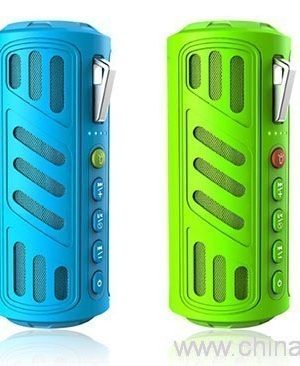
10W Super Bass Portable Waterproof Bluetooth Speaker with 4400mAh Powerbank
$5.4 – 8.6 -

2.0 Channel Waterproof Bluetooth Speaker with FM Radio
$3.2 – 5.0 -
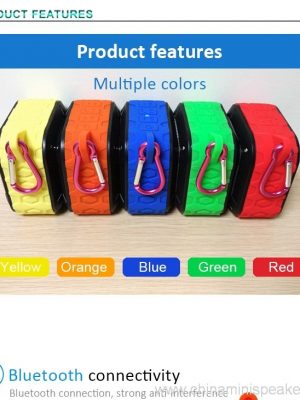
3D Sound Military Grade Waterproof Portable Bluetooth Speakers
$3.4 – 6.3 -

Aluminum Bluetooth Shower Speaker
$2.3 – 4.3 -

Bluetooth Waterproof Speaker with LED Light FM Radio
$2.4 – 5.7 -

Bluetooth Wireless Speakers Waterproof with LED Light
$4.6 – 7.1 -

Camping Bluetooth Speakers with LED Light Waterproof for Outdoor Activity
$4.6 – 7.1 -

Carabiner Outdoor Portable Waterproof Bluetooth Speaker
$2.8 – 7.5 -

Dustproof Shockproof and Waterproof Wireless Bluetooth Subwoofer Speaker
$2.7 – 5.1 -

Hexagon Shape Small Waterproof Wireless Bluetooth Speaker with Hook
$2.5 – 5.4 -

IPX7 Outdoor Portable Mini Waterproof Bluetooth Speaker
$2.1 – 4.6 -

Mini Waterproof Bluetooth Speaker for Outdoor Bike Sports
$3.6 – 4.3 -

Mini Waterproof Speaker for Outdoor Activities
$2.7 – 6.0 -

Outdoor Activities Waterproof Shower Metal Bluetooth Speaker
$2.3 – 5.0 -

Portable Waterproof Bluetooth Outdoor Garden Speaker
$11.4 – 21.4 -

Reliable Waterproof Shower Speaker
$5.7 – 7.1
Waterproof Bluetooth speakers for bathrooms, pools and outdoor work
Water resistance is not a marketing label; it is a set of mechanical decisions about how water is kept away from the electronics. Every model in this range is built with those decisions in mind, and the differences between them are mostly about how much water the unit is expected to survive and where it is designed to be mounted.
What the IP ratings actually mean
The IP code has two digits. The first refers to solids such as dust and sand. The second refers to liquids. A rating written as IPX7 means the solid protection digit is unrated and the liquid protection is level 7. A rating written as IP67 means both are specified: dust-tight and immersible.
- IPX4 — protected against splashing water from any direction. Suitable for bathroom shelves, kitchen counters and light outdoor use in dry weather.
- IPX5 — protected against water jets from a nozzle at low pressure. Suitable for poolside, garden and rinse-down applications.
- IPX6 — protected against powerful water jets. Suitable for exposed marine and job-site use.
- IPX7 — protected against immersion at a stated depth and duration, typically one metre for thirty minutes. Suitable for floating pool speakers and accidental drops into water.
A unit described only as "waterproof" without a rating has not been tested to a defined standard. That is not automatically a problem for a promotional item, but it matters for any programme making a durability claim on packaging.
How water resistance is engineered
Three areas decide whether a speaker survives contact with water. The charging port is the most common failure point, and is handled either with a rubber gasket flap or by moving to a sealed magnetic or induction charging contact. The control buttons are sealed with silicone membranes that flex under pressure. The driver itself sits behind an acoustic mesh that must pass sound but resist water, which is why waterproof units often use a denser grille or a treated diaphragm. Rust-resistant hardware matters as much as the electronics, because a failed screw or spring clip ends the product's life just as effectively as a shorted board.
Mounting options in this range
Shower units typically use a suction cup base that attaches to tile or glass. Pool and beach models use a carabiner or strap loop, and floating designs are weighted so the driver faces upward while the body stays at the surface. Rugged models use a rubberised housing with a flat base for standing on wet surfaces. Car and bike variants use a handlebar clamp or visor bracket. The mounting method usually determines which model suits a given retail channel better than the audio specification does.
Where these products sell
Bathroom and shower accessories, pool and marine equipment, outdoor and camping retail, sports and cycling, and industrial safety programmes where a speaker has to survive a wet job site. Gift and promotional buyers also order waterproof models because the feature justifies a higher price point than a plain mini speaker.
Buying considerations
Confirm the rating before committing to packaging copy. Check whether the charging port is sealed when the flap is closed, since a loose flap defeats the design. For pool and marine use, check that the housing hardware is stainless or coated rather than plain steel. And consider whether the buyer needs dust protection as well as water protection: a beach or job-site product is usually better served by IP67 than by IPX7 alone.
Maintenance and after-sales expectations
Water resistance degrades with use. A gasket left open, a flap that loses its tension or a seal that picks up sand will eventually let water in, and the failure usually shows up as corrosion on the charging contacts rather than as an immediate fault. Retail programmes should carry a short care instruction: close the port cover fully, rinse off salt water after marine use, and never charge a unit while it is wet. Models that charge through exposed magnetic contacts instead of a sealed port avoid this failure mode entirely, which is one reason magnetic charging has become more common on waterproof designs.
Related ranges: outdoor speakers, sports speakers, Bluetooth speakers.